


What is Workflow in Software Development? Well, imagine you’re building a cool video game or designing a useful app. But how do you make sure everything gets done in the right order? That’s where workflow comes in!
In the world of software development, workflow refers to the series of steps and tasks that are followed to complete a project. It’s like a roadmap that guides the developers from start to finish. Without a proper workflow, things can get chaotic and confusing!
So, think of workflow as a superhero that keeps everything organized and ensures that everyone on the development team knows what to do and when. It’s like having a game plan for building incredible software!
In software development, workflow refers to the series of steps and tasks that need to be completed in order to achieve a specific goal. It helps streamline the development process and ensures efficient collaboration among team members. By defining the workflow, developers can track progress, identify bottlenecks, and make improvements. Workflow typically includes stages like requirement gathering, design, development, testing, and deployment. By following a well-defined workflow, software development projects can be completed smoothly and effectively.
Key Takeaways: What is Workflow in Software Development?
- A workflow in software development is a series of steps or tasks that need to be completed in order to accomplish a specific goal or outcome.
- It helps ensure that the development process is organized and efficient, with clear roles and responsibilities for each team member.
- Workflow management tools, such as project management software, can be used to automate and streamline the workflow process.
- Having a well-defined workflow can help improve collaboration and communication among team members and minimize errors or delays in the development process.
- Regular monitoring and evaluation of the workflow can identify areas for improvement and help optimize the software development process over time.
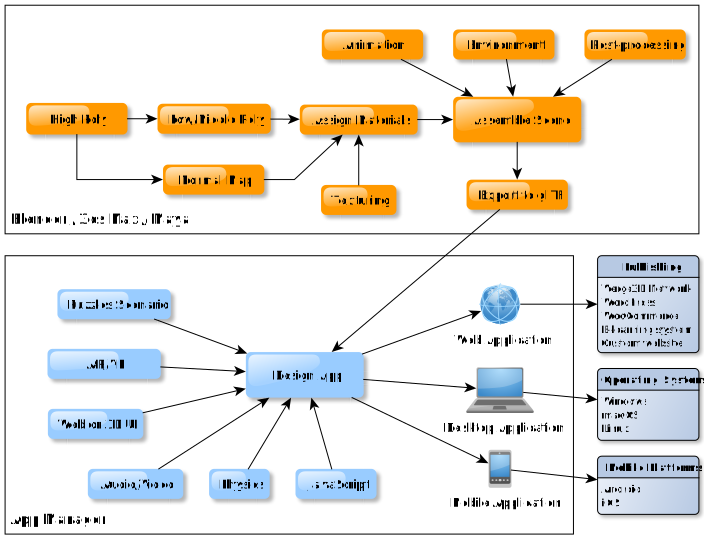
Understanding Workflow in Software Development: A Comprehensive Guide
The Basics of Workflow in Software Development
Workflow refers to the sequence of steps and tasks that are involved in the development of software. It encompasses the entire process, from gathering requirements and designing the system to coding, testing, and deployment. The purpose of implementing a workflow in software development is to streamline and optimize the development process, ensuring that tasks are completed efficiently, deadlines are met, and quality is maintained throughout.
A typical software development workflow consists of several stages, including:
- Requirements gathering: This stage involves identifying and understanding the needs and goals of the software.
- Design: In this stage, the software’s architecture, user interface, and functionality are planned and documented.
- Coding: Developers write the actual code based on the design specifications.
- Testing: The software is rigorously tested to ensure that it performs as expected and meets all requirements.
- Deployment: Once the software is tested and approved, it is deployed and made available to users.
Each stage of the workflow may have multiple subtasks and dependencies, which are managed and tracked to ensure smooth progress and successful completion of the project.
The Benefits of Implementing an Effective Workflow
Implementing a well-defined workflow in software development offers numerous benefits, including:
- Efficiency: A structured workflow helps teams work more efficiently by providing a clear roadmap and reducing confusion or duplication of efforts.
- Consistency: With a defined workflow, team members follow standardized processes, ensuring consistency and minimizing errors.
- Collaboration: Workflow facilitates effective collaboration among team members, allowing them to work together seamlessly and share information easily.
- Transparency: A well-defined workflow provides visibility into the progress of the project, making it easier to track and manage tasks.
- Quality Assurance: By following a systematic workflow, software development teams can enforce quality checks at every stage, reducing the chances of bugs or flaws in the final product.
Implementing an effective workflow is crucial for software development teams to deliver projects on time, within budget, and with high-quality results.
Popular Workflow Approaches in Software Development
Various workflow approaches can be implemented in software development, based on the team’s requirements, project complexity, and industry standards. Some of the popular workflow approaches include:
1. Waterfall Model:
The Waterfall model is a linear sequential approach where each stage of the development process follows a specific order. It is suitable for projects with well-defined requirements and minimal chances of change.
2. Agile Methodology:
Agile methodologies, such as Scrum and Kanban, are iterative and incremental approaches that prioritize flexibility and adaptability. They involve breaking the project into smaller tasks and delivering frequent iterations.
3. DevOps:
DevOps is a collaboration-focused approach that integrates development and operations teams. It emphasizes continuous integration, delivery, and automation for faster software releases.
4. Lean Software Development:
Lean software development focuses on eliminating waste and maximizing value for the end customer. It involves continuous improvement, customer collaboration, and streamlined processes.
The choice of workflow approach depends on the project’s requirements, team structure, and the organization’s goals, and it is important to select the most suitable approach for each situation.
Best Practices for Optimizing Software Development Workflow
To optimize the software development workflow and ensure maximum efficiency, it’s important to follow some best practices:
- Clear requirements: Ensure that the requirements are well-defined and understood by all team members before starting development.
- Effective communication: Foster open and effective communication channels among team members to facilitate collaboration and minimize misunderstandings.
- Regular feedback loops: Establish feedback mechanisms to gather input and insights from stakeholders throughout the development process.
- Automated testing and deployment: Implement automated testing and deployment processes to reduce manual effort and speed up the release cycle.
- Use of project management tools: Invest in project management tools that help track progress, manage tasks, and provide visibility into the workflow.
- Continuous learning and improvement: Encourage a culture of continuous learning and improvement, where team members can share knowledge, reflect on past projects, and implement lessons learned.
By adopting these best practices, software development teams can optimize their workflows and deliver high-quality software in a more efficient and effective manner.
Additional H2 Headings
Choosing the Right Workflow for Your Software Development Project
When embarking on a software development project, it’s important to choose the right workflow that aligns with your project’s needs and goals. This section explores factors to consider and provides insights into selecting the most suitable workflow for your project.
The Role of Workflow Automation in Software Development
Workflow automation plays a crucial role in streamlining software development processes, reducing manual effort, improving efficiency, and ensuring consistency. Discover the benefits and key considerations for implementing workflow automation in your software development projects.
Continuous Integration and Continuous Deployment in Software Development
Continuous Integration (CI) and Continuous Deployment (CD) are essential practices in modern software development. Explore how CI/CD workflows work, their benefits, and best practices for seamless integration and deployment of software.

Frequently Asked Questions
In the world of software development, workflow refers to the systematic process of how work is organized and managed within a development team. It encompasses the steps and procedures that need to be followed in order to complete a project or task efficiently and effectively. Below are some commonly asked questions about workflow in software development.
Q: How does workflow impact software development projects?
A: Workflow plays a crucial role in the success of software development projects. It helps teams collaborate, manage tasks, and streamline processes, leading to better productivity, improved quality, and timely project completion. By defining a clear workflow, development teams can identify bottlenecks, minimize errors, and ensure that every step of the project is accounted for. It also allows for better tracking and accountability, making it easier to stay on schedule and meet project goals.
Moreover, a well-defined workflow helps ensure consistency and standardization across projects, making it easier for team members to understand their roles and responsibilities. It provides a roadmap for developers to follow, ensuring that tasks are completed in the right sequence and that dependencies are properly managed. Ultimately, a well-implemented workflow leads to smoother development processes, fewer setbacks, and higher customer satisfaction.
Q: What are the key components of a software development workflow?
A: A software development workflow typically consists of several key components. These may include project initiation, requirements gathering, design, development, testing, deployment, and maintenance. Each phase has its defined set of activities and deliverables. Project initiation involves defining the scope, objectives, and overall direction of the project. Requirements gathering involves identifying and documenting functional and non-functional requirements.
The design phase focuses on creating a blueprint or architecture of the software system. Development is the stage where the actual code is written, based on the design specifications. Testing involves verifying the functionality and performance of the software through various testing techniques. Deployment is the process of releasing the software into a live environment, making it available to end-users. Lastly, maintenance involves monitoring and supporting the software after its release to ensure its smooth operation and address any issues that may arise.
Q: How can workflow automation benefit software development?
A: Workflow automation can significantly benefit software development by eliminating manual and repetitive tasks, reducing the potential for errors, and increasing productivity. By automating workflows, developers can streamline processes, save time, and allocate their effort towards more valuable activities. Automation tools can handle tasks like code compilation, testing, and deployment, freeing up developers to focus on writing quality code and solving complex problems.
Workflow automation also enhances collaboration and coordination among team members. Automation tools provide visibility into the progress of various tasks and allow for real-time updates and communication. This improves efficiency, reduces miscommunication, and ensures that everyone is on the same page. Additionally, automation helps enforce consistency and adherence to best practices, reducing the chance of errors or deviations from established standards.
Q: What are some popular workflow management tools used in software development?
A: There are several popular workflow management tools used in software development. Some of these include Jira, Asana, Trello, GitLab, and Microsoft Azure DevOps. These tools provide features for task tracking, collaboration, version control, and project management. Jira, for example, allows teams to create and track issues, assign tasks, and visualize work progress on agile boards. Trello offers a flexible and visual way to organize and prioritize tasks using boards, lists, and cards. GitLab and Azure DevOps provide comprehensive project management capabilities integrated with version control and automated CI/CD pipelines.
When selecting a workflow management tool, teams should consider their specific needs, such as the size of the team, the complexity of projects, and the desired level of integration with other tools. It’s important to choose a tool that aligns with the team’s workflow and facilitates efficient collaboration and task management.
Q: How can a well-defined workflow improve software development team communication?
A: A well-defined workflow can greatly improve communication within a software development team. It provides clarity on the roles and responsibilities of each team member, ensuring that everyone knows what is expected from them. By having a structured workflow, team members can easily understand where their tasks fit within the larger project scope and can coordinate their efforts accordingly.
Clear workflows also enable effective communication of project progress and updates. Team members can track the status of tasks, dependencies, and milestones, facilitating better coordination and collaboration. If any issues or delays occur, they can be identified and communicated promptly, allowing for timely resolution. In addition, a defined workflow promotes transparency and accountability, as team members can clearly see who is responsible for each task and who needs to be involved in the decision-making process.
Example Workflow – Georgia Tech – Software Development Process
Summary
So, workflow in software development means how we organize and manage our work. It helps us to stay organized, work efficiently, and deliver high-quality software. We use different tools and processes to plan, track, and collaborate on our work. These tools can include project management software, version control systems, and communication tools. Workflow also involves breaking down tasks into smaller steps, assigning them to team members, and reviewing and testing the work at different stages. Overall, having a good workflow is important for successful software development projects.
In conclusion, workflow in software development is all about how we manage our work. It’s like having a roadmap that helps us stay organized, work together, and create great software. By following a good workflow, we can ensure that our projects run smoothly and result in high-quality software. So, next time you hear someone talking about workflow, you’ll know what they mean!


